 SwipeWipe
iPhone storage cleaner for photos
An iPhone storage cleaner for photo-heavy libraries that need more room.
SwipeWipe is built for the moment when your iPhone feels full because Photos has quietly become the biggest storage problem. Instead of random deleting, the workflow routes you through duplicate photos, similar shots, and screenshots in a safer order.
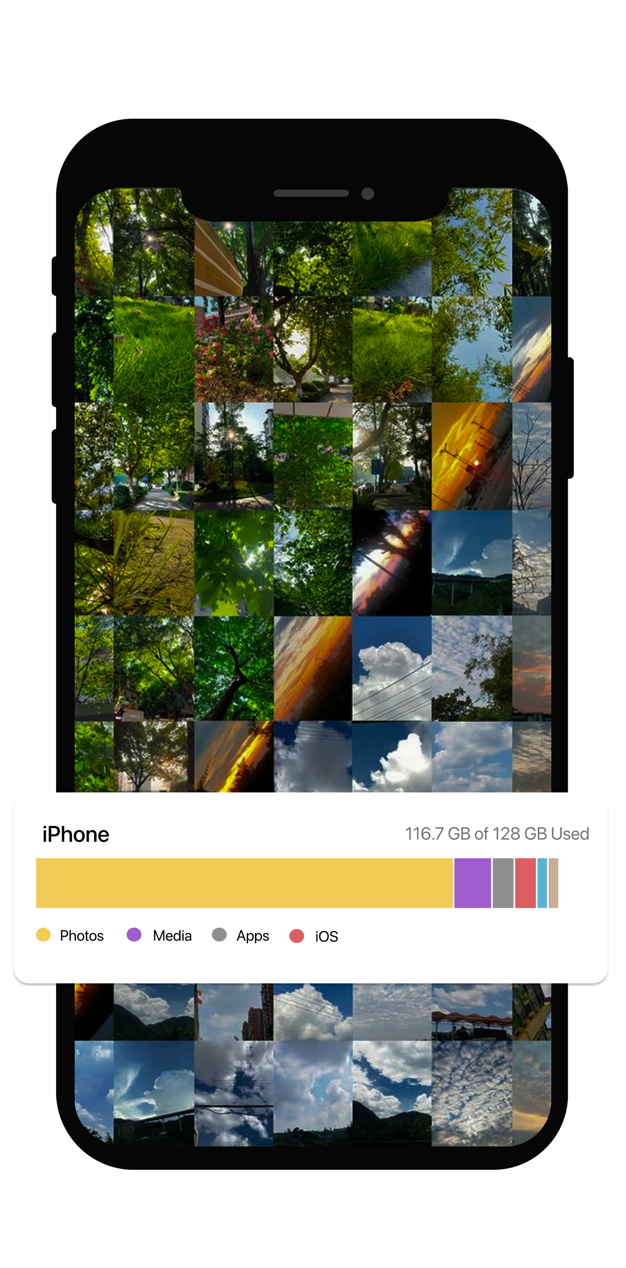
Use this product page when low storage is the main pain point
If you want the written tutorial first, open the guide. If you already know which clutter type is driving the problem, jump into the focused product page below.
Why this product page has a different role from the storage guide
The guide explains how to free up iPhone storage step by step. This page explains why SwipeWipe is useful when Photos has become the main storage bottleneck and you want a product workflow instead of a general article.
It starts from the outcome
This route is for people whose first thought is “I need space back,” not “I need to clean duplicates” or “I need to sort screenshots.”
It still stays photo-specific
Instead of pretending every storage problem is the same, it focuses on the part of storage cleanup most likely to feel emotional and messy: the photo library.
It routes you into narrower workflows when needed
If the real answer is duplicates, similar shots, or screenshots, this page is meant to hand you off to the right product page instead of trying to cover everything at once.
What makes storage cleanup feel risky.
The storage problem is simple. The decision-making problem is not.
Where people get stuck
- They know they need space, but they do not know which photos are safe to let go.
- They avoid the task because deleting at random feels dangerous.
- They want one path that surfaces duplicates, similar shots, and screenshot clutter instead of treating everything the same.
How the storage-cleanup workflow works inside SwipeWipe
Instead of treating storage cleanup like one giant decision, it breaks the work into smaller photo-cleanup jobs that are easier to finish.
Start with the easiest wins
Screenshots and exact duplicates are often the lowest-risk places to free up room quickly.
Move into higher-value photo groups
Once obvious clutter is gone, review similar shots so the keeper decisions feel more focused.
Keep the photos that deserve the space
Storage cleanup works best when you decide what matters first and delete around that choice.
Build a repeatable cleanup habit
Short maintenance sessions prevent your library from reaching the same painful storage point again.
Why this page is broader than a duplicate-photo page.
It starts from the outcome
- The visitor wants more storage first, not necessarily a specific cleanup feature.
- This page meets that intent and then routes users toward the right clutter type.
It creates a sequence
- Storage cleanup becomes easier when the site shows what to do first, second, and third.
- That sequence usually begins with screenshots and duplicates, then moves into similar shots.
It matches how real users think
- Many people do not search for “similar photos.” They search for “my iPhone is full.”
- This page translates that outcome into a practical cleanup plan.
FAQ
Where is the step-by-step storage guide?
If you want the written tutorial first, open How to free up iPhone storage when photos take too much space. This page is the product landing page for the storage-cleanup workflow.
What should I delete first to free up space on iPhone?
Start with the lowest-risk clutter: screenshots, exact duplicates, and old repeat shots. That lets you reclaim space before touching the photos you care about most.
Should I start with duplicates, similar photos, or screenshots?
If you want the quickest wins, start with screenshots or duplicates. If the harder problem is choosing among several almost-identical shots, use similar-photo cleanup.
Why not just delete random videos or apps?
You can, but many people want a safer, more deliberate path. Photo clutter is often a large storage driver, and it gives you clear categories to review instead of guessing blindly.
Can SwipeWipe help me stay on top of storage over time?
Yes. The strongest long-term benefit is turning cleanup into a shorter recurring habit so the same backlog does not rebuild all over again.
Related pages
Use these more focused pages when you already know which clutter type is taking up the most room.